

We all go through so many changes as a part of simply getting older, so it’s no surprise that the way we take care of ourselves would need to shift too.
Maybe the exercise routine you’ve done for years is no longer enough to counteract the decline in muscle mass and bone density that happens as we get older, or perhaps you feel like your hair and skincare regimen needs a makeover as you move through the hormonal ups and downs of perimenopause and menopause.
Any tweaks that help you maintain a healthy lifestyle are wins, but if you’re looking for one area to kickstart some change, experts say that your diet is a good place to start. After all, you need an array of vitamins, minerals, antioxidants, and other nutrients to help your body function as it should, minimize chronic disease risk, and support healthy aging.
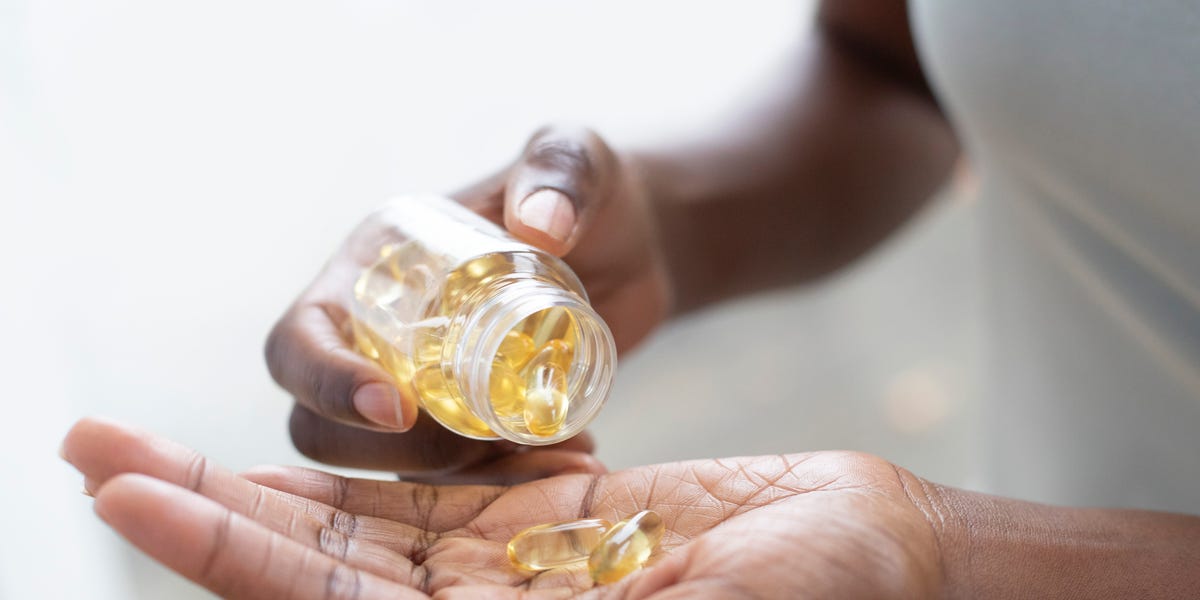
And while it’s always ideal to strive to meet most of your nutrition goals by enjoying a variety of whole foods, as it often promotes better absorption (research shows that the Mediterranean diet is one of the best for healthy aging and longevity, featuring fresh fruits and veggies, lean and plant-based proteins, healthy fats, and whole grains), sometimes your doctor may suggest a supplement to help out. Always talk to your doctor or a dietitian before starting a new supplement.
Here are the top vitamins that every woman over 40 needs, according to experts.
Meet the expert: Kristin Kirkpatrick, M.S., R.D., a dietitian at the Cleveland Clinic Department of Wellness & Preventive Medicine.
Vitamin B12
It’s essential for normal blood and brain function, explains Kristin Kirkpatrick, M.S., R.D., a dietitian at the Cleveland Clinic Department of Wellness & Preventive Medicine. And while children and younger adults are likely to get the B12 they need from food—it’s in meat and animal products including chicken, fish, dairy, and eggs—B12 is more poorly absorbed as the body ages and stomach acid levels deplete, according to the National Institutes of Health (NIH).
Aim for 2.4 mg per day (the current recommended intake), though there’s no need to worry about taking too much, she added—because it’s a water-soluble vitamin, you pee out what you don’t need.
Calcium
This nutrient plays a role in maintaining bone health, according to Kirkpatrick, and is needed for other basic body functions like muscle contraction and good nerve and heart function.
Most women can get the calcium they need (1,000 mg a day for women 40 to 50, and 1,200 mg for women older than 50, per the NIH) if they eat a well-rounded diet with calcium-rich foods like dairy, tofu, sardines, broccoli, almonds, and spinach. Women who are vegan and lactose intolerant should ask their physician if taking a supplement may be beneficial.
Vitamin D
D is a biggie, Kirkpatrick said, especially after 40. Not only is it needed for the body to absorb calcium, vitamin D deficiency may also be associated with the development of conditions like diabetes, high blood pressure, multiple sclerosis, and breast and colorectal cancers—all of which are more likely to crop up the older you get.

Add Prevention as a preferred source in your Google search results.
Use your Google account to add this to your settings.

You can get vitamin D from a few dietary sources such as fish and fortified dairy, grains, and cereals (and the sun is technically the best source of the vitamin, though not everyone lives where there’s enough sunlight to reap the benefits, plus it’s not absorbed as well when you protect yourself by slathering on sunscreen), Kirkpatrick explains.
She recommends a D3 supplement (D3 is the type of vitamin D closest to what you would get from the sun). You should be getting at least 600 IU per day (and 800 IU per day after 50), according to current NIH recommendations.
Magnesium
A key function of magnesium is to help regulate blood pressure, per the NIH, which is especially important for women 40-plus who are already at risk of high blood pressure due to normal aging. Magnesium benefits include supporting heart health, helping to control inflammation, and playing a role in muscle and nerve function.
If you’re eating a healthy, balanced diet, you’re likely getting all the magnesium you need (320 mg a day for women 40 and up) from food, Kirkpatrick said. Magnesium-rich foods include dark leafy greens, beans, soy, nuts, seeds, and avocados.
Potassium
Potassium plays a key role in keeping blood pressure in check, no matter your age, Kirkpatrick said. In fact, recent research in the journal Hypertension makes the case that doctors should put more of an emphasis on potassium when treating high blood pressure because of its potential to combat this age-related ailment.
Most people can get the potassium they need daily (2,600 mg for women and 3,400 mg for men) by eating a varied, healthy diet that includes potassium-rich picks like bananas, sweet potatoes, chard, beans, and lentils. As with any supplement, never start taking a new one without speaking with your doctor first, and that’s especially important when it comes to potassium, as too much potassium can damage the gastrointestinal tract and the heart, and even cause potentially life-threatening cardiac arrhythmias in certain people, according to the Cleveland Clinic. (You’re highly unlikely to get enough potassium in your diet to be dangerous, Kirkpatrick adds.)
Omega-3s
Omega-3 fatty acids can help counteract some of the negative changes that come with aging, like increased heart disease risk and cognitive decline. Research has shown that foods with omega-3s are some of the best foods to lower cholesterol and blood pressure, and studies suggest they also play a role in keeping memory and thinking sharp.
Fish is one of the best sources of omega-3s, but there are plenty of other foods with more omega-3s than fish, such as walnuts and soy-based foods. Always check with your doctor before taking an omega-3 supplement and ask them about the right dose, as it could negatively interact with certain anticoagulant drugs.
Probiotics
Probiotics are not technically a vitamin, but they’re essential for everyone, particularly women 40 and up, Kirkpatrick said. That’s because probiotics help us maintain good gut health, aka a balanced gut microbiome, and this is key for so many aspects of good health and healthy aging—from promoting even mood and smooth digestion to supporting the immune system, healthy weight management, hormone regulation, and more. Probiotic-rich foods include yogurt, kefir, seitan, and fermented foods like kimchi. Since there are so many different strains of probiotics lining drugstore shelves, always talk to your doctor or a dietitian for help selecting the one that would be most helpful for your health goals.
Dietary supplements are products intended to supplement the diet. They are not medicines and are not intended to treat, diagnose, mitigate, prevent, or cure diseases. Be cautious about taking dietary supplements if you are pregnant or nursing. Also, be careful about giving supplements to a child, unless recommended by their healthcare provider.
Read the full article here